
Manufacturing
Typical loads
Process equipment, compressed air, HVAC, dust collection
Visibility opportunity
Separate production demand from supporting systems and compare shifts.
Industries
Seek Energy focuses on facilities where a large energy cost, complex loads and limited visibility create a real decision gap.
Priority environments
Each scope starts with the facility's major loads, operating constraints and decisions - not a standard package.
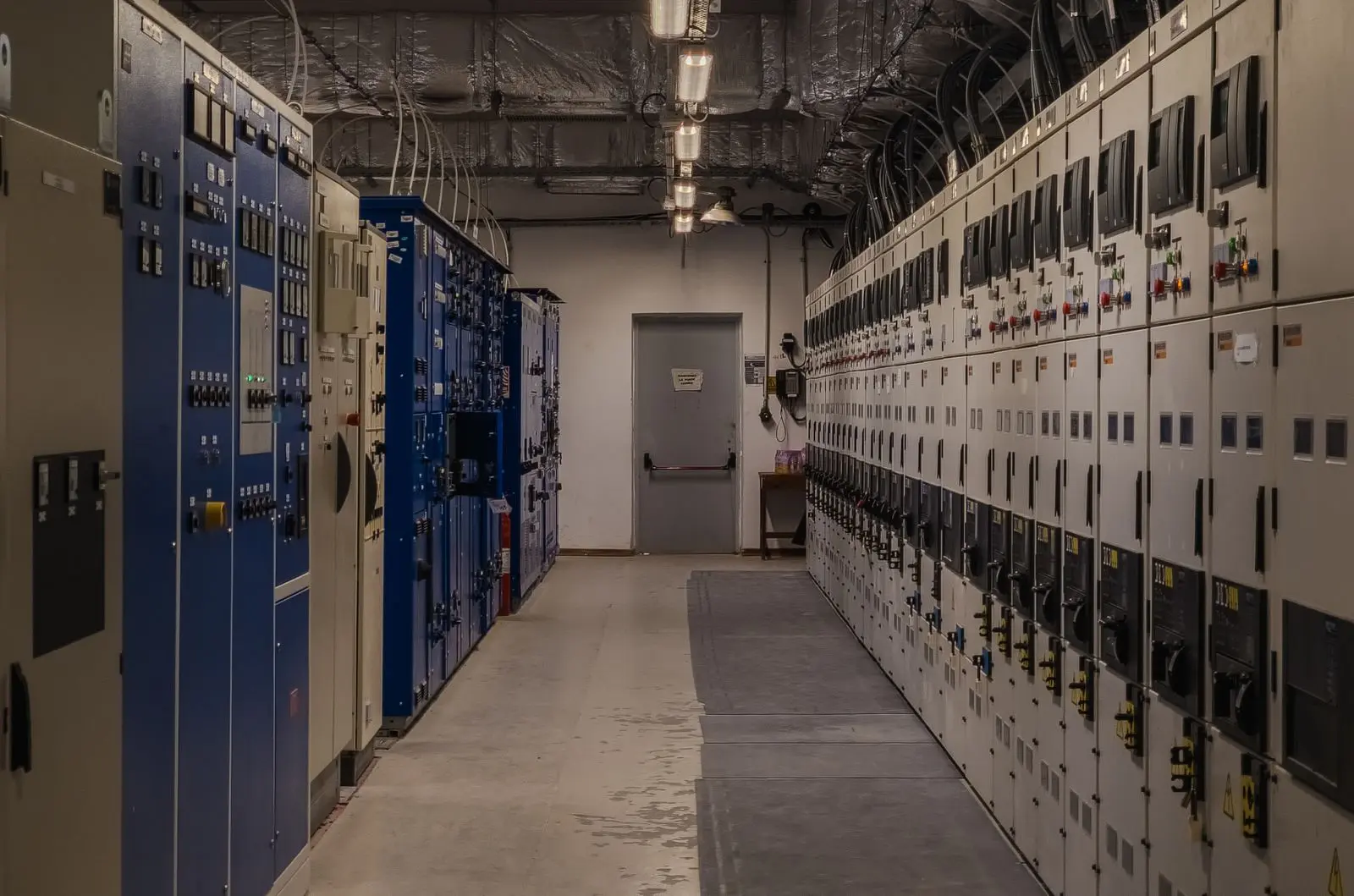
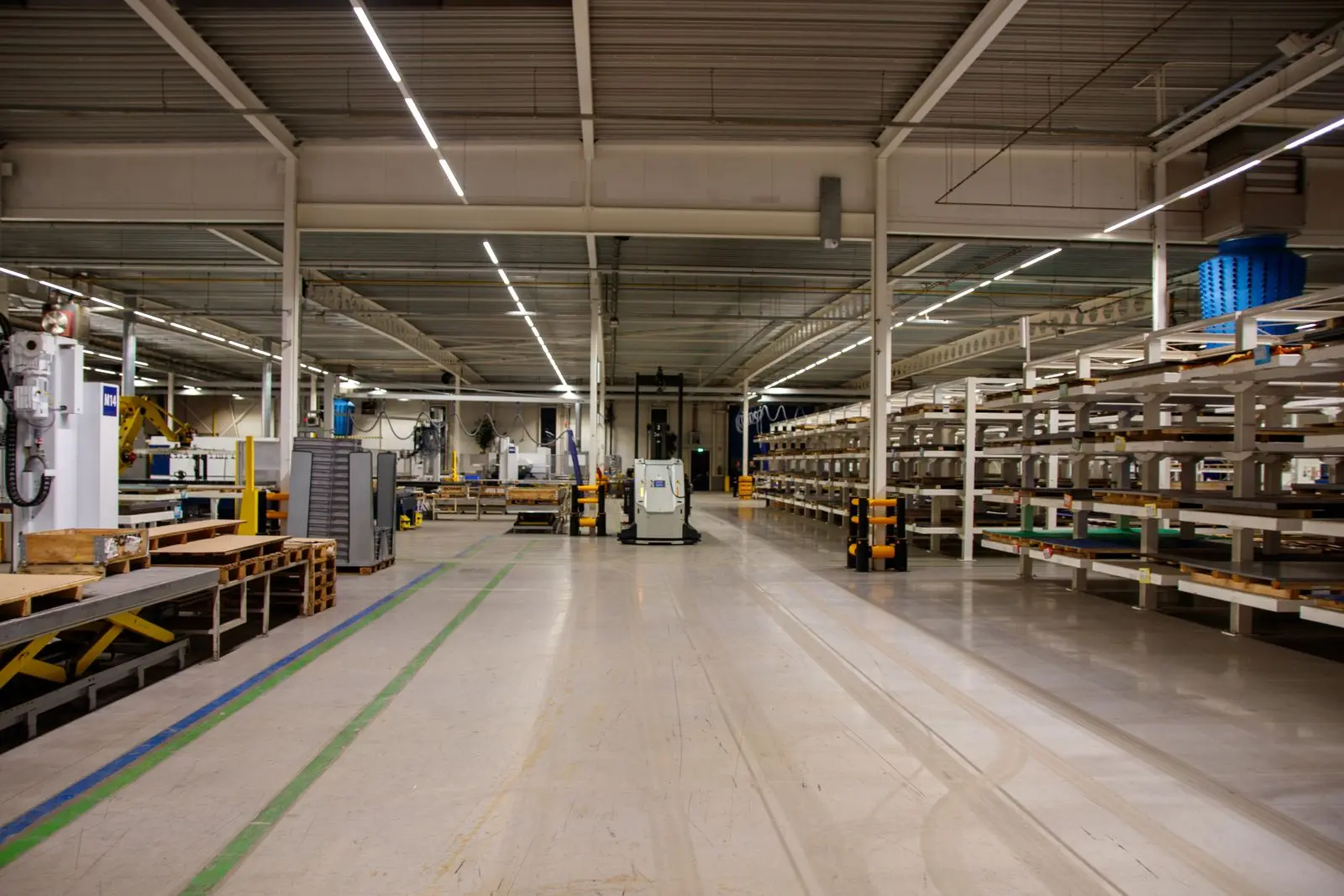
Process equipment, compressed air, HVAC, dust collection
Separate production demand from supporting systems and compare shifts.
Refrigeration, steam, compressed air, sanitation, process lines
Connect consumption to production schedules and cold-chain performance.
Refrigeration racks, evaporator fans, defrost, lighting
Identify cycling, simultaneous demand and temperature-linked waste.
Central plants, air handling, tenant loads, lighting
Benchmark buildings and expose base-load and schedule drift.
Arenas, pools, pumps, ventilation, dehumidification
Understand seasonal loads and coordinate interacting systems.
HVAC, ventilation, labs, kitchens, lighting
Align operation with occupancy and prioritize buildings across a portfolio.
Ventilation, cooling, sterilization, medical and kitchen equipment
Improve visibility while respecting critical operational requirements.
Community buildings, water systems, heating and distributed facilities
Create practical local visibility across diverse community assets.
HVAC, lighting, chargers, conveyors and refrigeration
Trace base load, peaks and operation outside shipping activity.
Pumps, blowers, aeration, treatment and controls
Compare energy intensity with flow and operating conditions.
HVAC, hot water, kitchens, refrigeration and plug loads
Standardize schedules and identify repeatable multi-site improvements.
Repeated equipment types across many small or mid-sized sites
Benchmark peers, prove a pilot and scale only what works.
Facility fit
No single signal guarantees a business case. Several together justify a closer look.
Annual electricity cost is material to operations
HVAC, refrigeration, compressed air, pumping or process loads are significant
Facilities run long hours, multiple shifts or year-round
Energy visibility stops at the utility or main meter
Several buildings or repeated assets need comparison
Capital or control decisions need a defensible baseline
Example: complex recreation facility
In an ice arena or curling facility, refrigeration, brine circulation, slab or ground heating, dehumidification and seasonal schedules can affect one another. Monitoring only the main meter will not explain the operating pattern.
Compare occupied, shoulder and off-season baselines.
Separate refrigeration, circulation, heat and dehumidification.
Relate cycling and runtime to temperature, humidity and schedules.
Prioritize setpoint, sequencing, maintenance and capital options.
Sector expertise begins with facility context
A focused assessment establishes fit, identifies the most useful data and defines a practical next step without committing to a full rollout.